Glendale Pre‑Sale Improvements Sellers Should Prioritize
January 1, 2026
January 1, 2026
Thinking about selling your Glendale home in the next 3 to 9 months? In a selective Los Angeles market, the right prep work can move you from “getting looks” to “getting offers,” without pouring money into a full remodel. You want smart, targeted improvements that make your home feel move‑in ready, respect its style, and clear inspection hurdles. In this guide, you’ll find a prioritized plan tailored to Glendale’s architecture and buyer expectations, plus timing, permitting, and financing tips to help you list with confidence. Let’s dive in.
Glendale buyers tend to value usable outdoor space, flexible rooms that work as home offices, updated kitchens and baths, energy features, and practical parking or garage space. In a higher‑priced metro, buyers are selective and appreciate homes that look cared for and easy to move into. This is why cosmetic updates, clear maintenance records, and clean presentation usually outperform big, risky remodels on short timelines.
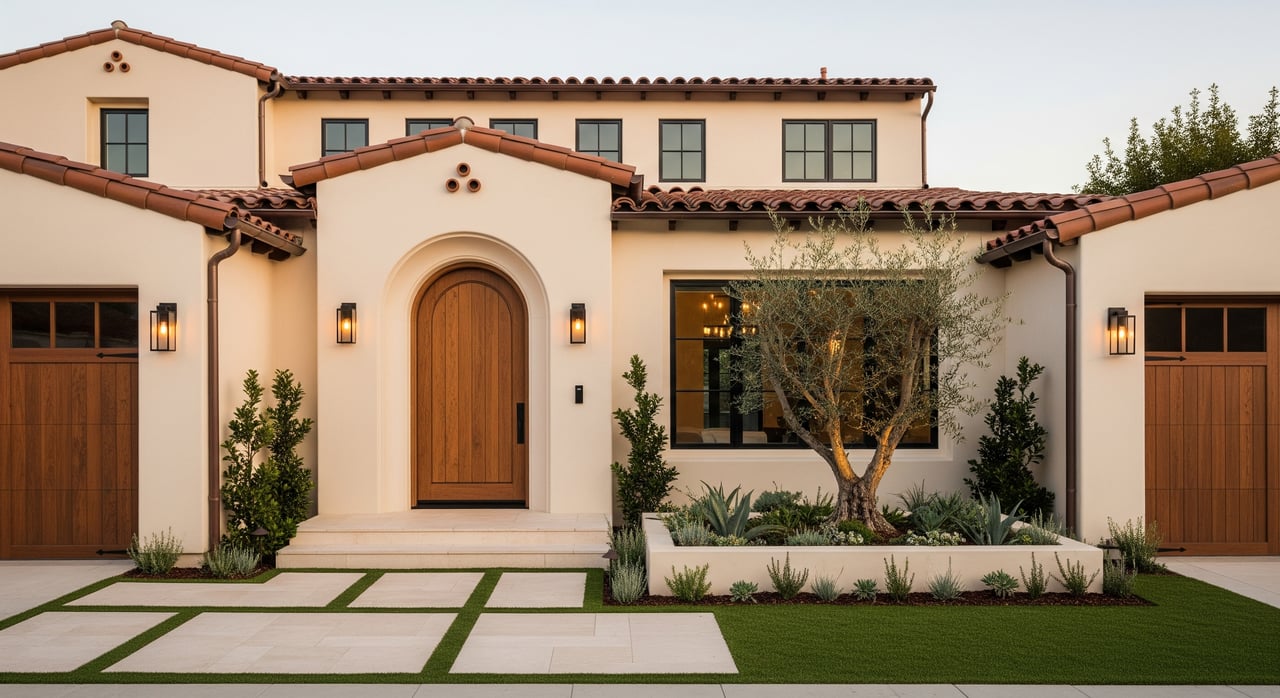
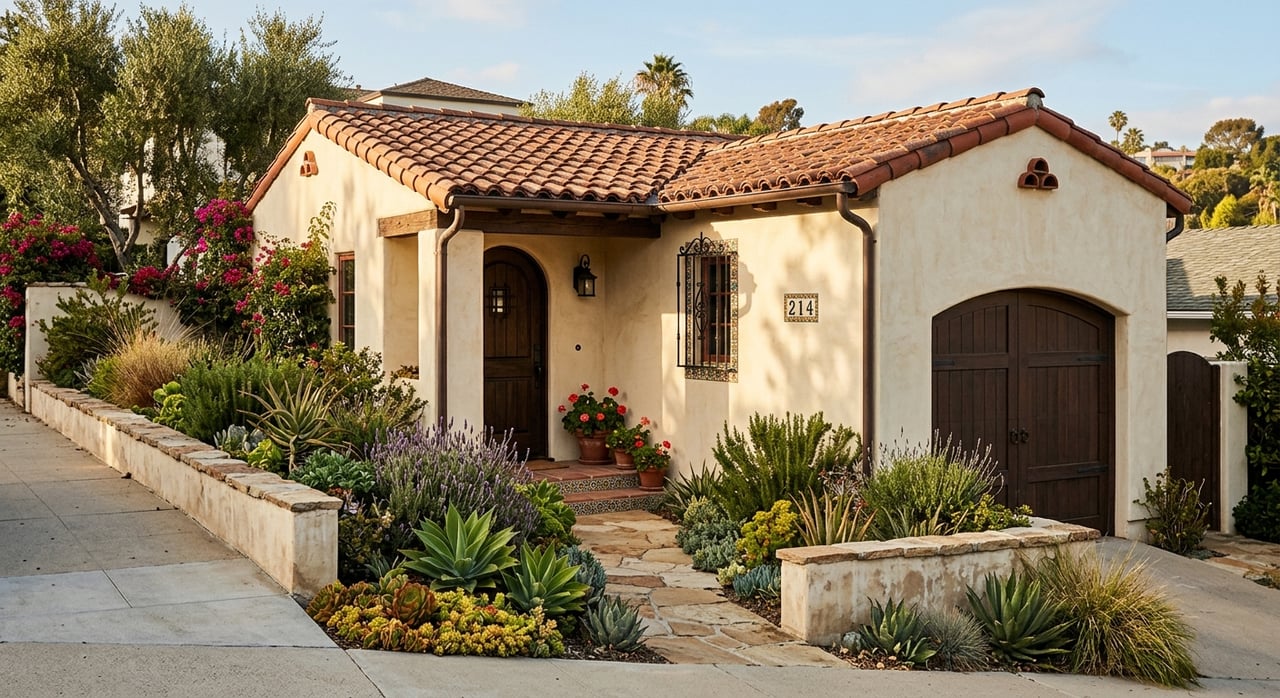
Glendale’s housing stock spans Craftsman, Spanish Colonial Revival, Mid‑Century Modern, Tudor, Victorian, and newer builds. Your improvement plan should respect that style.
Preserving authentic details while freshening surfaces often earns a stronger response than a trendy overhaul.
Start with the fastest wins that maximize photos and showings.
These updates are typically low to moderate cost and can be done in 1 to 3 weeks.
You rarely need a full gut to make a kitchen shine. Focus on visible surfaces and function.
Aim for transitional finishes that appeal to a broad pool of buyers. In period homes, preserve or spotlight original tile or woodwork when it is in good condition.
Bathrooms should feel clean, bright, and reliable.
These modest changes reassure buyers and prevent inspection‑period objections.
Flooring drives overall perception of quality. Refinish hardwoods, replace stained carpet with a durable, neutral option, and repair cracked or loose tile. Original hardwood floors in Craftsman and other period homes can be a selling point when refinished.
First impressions set the tone before a buyer steps inside.
These low to moderate investments improve both photos and drive‑by appeal.
Visible maintenance gaps scare buyers and can trigger repair requests. Address the basics early.
A home that looks cared for usually sells faster and with fewer concessions.
Energy and comfort upgrades matter more each year in California. If your budget allows, consider insulation improvements, double‑pane windows, and a smart thermostat. Solar ownership can be attractive, but make sure you can document whether panels are owned or part of a lease or PPA. Clear paperwork helps avoid escrow delays.
In California and Glendale, permit history is a big deal. Unpermitted work can lead to delays, price reductions, or escrow issues.
Sorting these items before you list keeps negotiations focused on value, not surprises.
Use your window to stage improvements in the right order.
Get two to three quotes for any meaningful project. Ask for itemized scopes, timelines, references, proof of insurance, and the California contractor license number. For period homes, hire vendors who understand older materials and details. Keep all invoices, warranties, and before‑and‑after photos for your disclosure packet and buyer questions.
As a licensed contractor as well as a listing agent, I can help you evaluate scope, avoid over‑improving, and choose updates the market will reward.
Professional staging and photography help your home stand out online, which is where most buyers start. Schedule photos once staging and landscaping are complete, and aim for flattering daylight. Highlight indoor‑outdoor flow, outdoor living spaces, and refreshed kitchens and baths. Use virtual staging only when it is clearly represented as such.
If cash flow is the barrier to smart pre‑sale work, a brokerage program like Compass Concierge can front approved costs for improvements, staging, and related prep, then recover those costs at closing. It can help when you want to move quickly, consolidate vendor management through your agent, or avoid out‑of‑pocket expenses before sale.
Terms and eligibility vary by office and over time, and some programs may charge a fee or percentage. Using a concierge program still requires proper permitting, disclosures, and contractor vetting. A common scenario is using Concierge to fund paint, lighting, staging, and a kitchen refresh, then repaying at close of escrow.
If you are aiming to list in 3 to 9 months, start with a walkthrough and a simple plan. Prioritize paint, staging, and small kitchen and bath updates, get your permits and safety items squared away, and document everything. From there, select only the projects that the Glendale market will reward for your style of home and neighborhood comps.
I am happy to create a tailored prep plan, introduce trusted local trades, and coordinate a Compass Concierge option if it fits your goals. When you are ready, let’s talk about timing, scope, and pricing strategy.
Ready to prioritize the right updates for your Glendale sale? Connect with Ed Dorini to get a tailored plan and a smooth path to market.
August 20, 2026
August 13, 2026
August 6, 2026
August 6, 2026

July 23, 2026
July 16, 2026
July 9, 2026
July 2, 2026
June 25, 2026
Ed works very hard for his clients in helping achieve their goals. Ed has the sophistication and experience needed to capture the attention of the affluent buyers you need to reach, negotiate our best deal and manage your transaction to a successful closing.