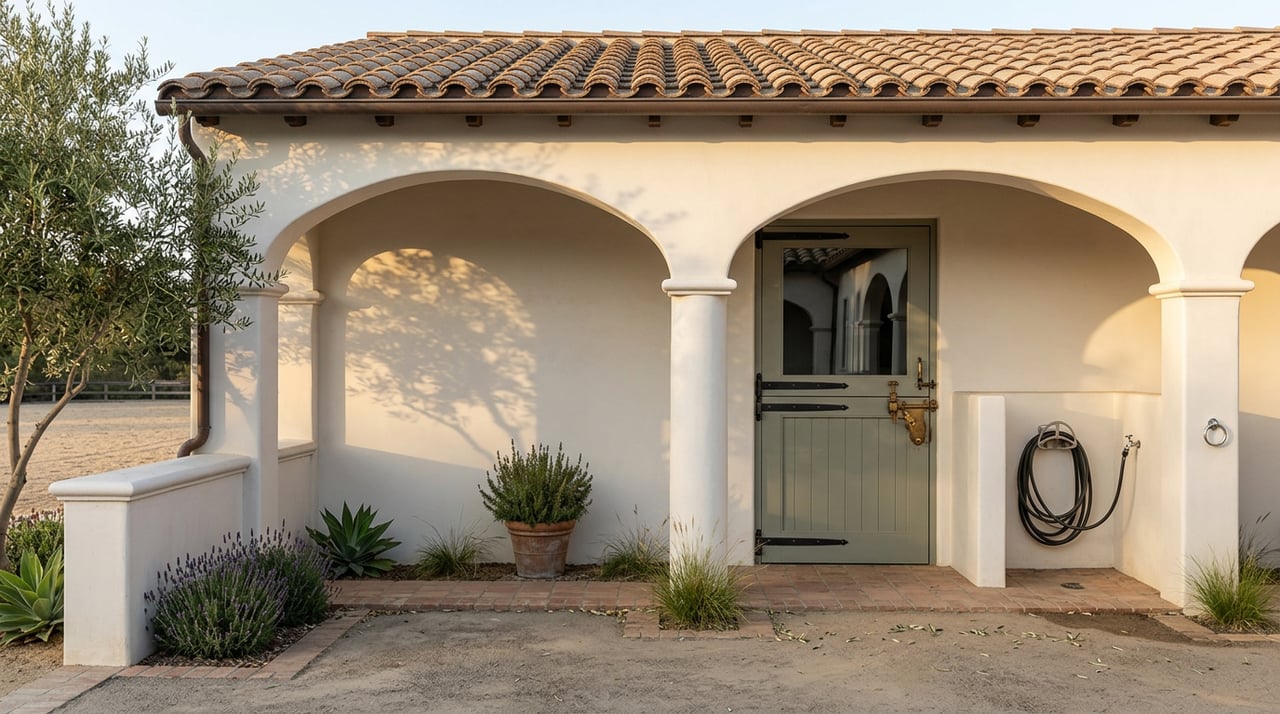
Shadow Hills Equestrian Property Guide for Buyers
March 5, 2026
March 5, 2026
If your perfect morning includes saddling up and riding from your backyard to open trails, Shadow Hills deserves your full attention. Buying an equestrian property here is different from a typical home purchase, and the details matter. From zoning and trail access to arena footing, barns, utilities, and fire safety, a thoughtful plan saves you money and stress. This guide gives you the local checkpoints and due diligence steps to help you buy with confidence. Let’s dive in.
Shadow Hills sits within the City of Los Angeles yet holds a distinct semirural, horse-oriented character. The area has long embraced horsekeeping and offers practical access to public riding corridors. That combination is why many riders target this pocket when they want an equestrian lifestyle without leaving the city grid.
A major draw is the Hansen Dam complex and trail network. The Hansen Dam Equestrian Center and linked paths around the Big Tujunga Wash provide arenas, trailer parking, and miles of riding. If daily trail time is high on your wishlist, you will want to confirm how your target property connects to those routes and where you can stage a rig nearby.
In Los Angeles, horsekeeping is regulated by the Los Angeles Municipal Code. The code defines equine uses and controls where equine enclosures can be built and how close they can sit to homes on your lot or a neighbor’s lot. You can review the city’s equine definitions and separation rules directly in the Los Angeles Municipal Code.
Two checkpoints are critical early in your search. First, confirm the property’s base zone and whether it lies in a supplemental K Equinekeeping district. Second, verify minimum lot area and horse density limits. Across many residential zones that allow equines, the city commonly uses a 20,000 square foot minimum lot area for horsekeeping and a typical limit around 1 horse per 5,000 square feet of lot area. You can see how these thresholds appear in city zone rules and plan footnotes in the zoning code.
Setbacks also matter. The code includes distance rules that often appear as 35 foot and 75 foot separations, depending on circumstances and whether a parcel is inside a K district. Those rules decide where you can place a barn, paddock, or arena, which directly affects how usable the lot is for horses. Always confirm the parcel’s zoning and any applicable K overlay or community-plan footnotes in ZIMAS, then check permit records for existing barns and arenas. Start with a parcel lookup in ZIMAS and follow with permit history at LADBS.
Trail access is a lifestyle issue and a value driver. For many Shadow Hills buyers, the gold standard is easy connection to the Hansen Dam trails without crossing busy roads. Map your route options and drive them at different times to understand traffic and parking patterns.
Ask the seller and neighbors about local trail easements and any seasonal closures near the wash or the dam. Confirm where you can stage a trailer, whether nearby trails are multi-use, and if there is space for visiting farriers or trainers to park safely. Review the Hansen Dam recreational overview for available facilities and any published operations notes.
A good arena starts with drainage and an engineered base. University extension guidance stresses planning for water management first, then building a compacted, graded subbase and selecting a stable top footing for your discipline and budget. During due diligence, ask for construction notes and any compaction tests. A shallow or poorly draining base will raise your future costs.
On site, look for signs of ponding after rain, a distinct base layer beneath the top footing, working perimeter or French drains, and proof of regular grading and watering for dust control. If the arena uses a proprietary footing, request the vendor’s maintenance and top-up schedule. For a practical primer, see the Penn State Extension overview on riding arena construction and footing.
Hay storage is a primary barn fire risk. Ask how hay is stored and whether there is fire separation from stalls, ignition-resistant construction, and recent electrical inspections specific to barn circuits. NFPA guidance used by rural fire services outlines water supply expectations and separation concepts. Review the NFPA 1142 material for context on rural fire protection and water supply.
Ventilation should be adequate to limit ammonia buildup. Stall floors and drains should move water away from living areas. Feed and tack rooms should be rodent resistant and separate from hay. Inside the City of Los Angeles, brush clearance rules also apply in mapped fire hazard zones, so factor that into your operating plan and budget. The Los Angeles Fire Department explains annual requirements on its brush clearance page.
Safe fencing is both a welfare and liability issue. Look for visible, smooth fencing, solid posts, and gates wide enough for trailers with clean approach paths. Avoid properties with damaged wire or barbed wire unless you plan to replace it soon.
Check paddock soils for overgrazing, compaction and bare high-traffic areas near gates and waterers. Those are clues to drainage and erosion issues. Runoff that carries manure can affect water quality and trigger compliance problems. California’s regional water boards prohibit uncontrolled discharges from confined animal areas, so you will want a basic plan for manure storage and wet-weather containment. The state outlines these expectations in its basin plan materials.
Most parcels in the City of Los Angeles receive water from LADWP. Confirm meter size and pressure to support irrigation and arena watering. Larger equestrian lots often rely on septic systems, so obtain septic permits, age, and pump-out history. If a private well serves stock or irrigation, request well records and any water quality tests.
Properties near washes and the Hansen Dam basin may face seasonal restrictions or floodplain rules that affect insurance and future improvements. Before you commit, verify the parcel’s flood zone at the FEMA Flood Map Service Center. If the property lies close to the basin or channels, review county flood control materials and ask about channel setbacks that could limit new structures.
Shadow Hills sits in foothill terrain where wildfire risk can be elevated. Expect defensible-space requirements and annual brush inspections if your parcel falls in a mapped hazard zone. Ask for recent brush inspection letters, any abatement notices, and disclosures about home hardening under AB 38. For owner responsibilities, start with LAFD’s brush clearance guidance.
Use this short list to organize your contingencies and document requests:
Owning a riding property involves a different cost profile than a standard home. Plan for periodic arena base work and footing top-ups, fencing repairs or replacement, barn roofing and electrical upgrades, manure hauling, and annual brush clearance. These items keep your horses safe and your property marketable to the next rider.
Permits and documentation influence resale. A permitted, code-compliant barn or permanent arena is far easier to insure and market. Unpermitted structures can limit buyer interest, trigger corrections, or require removal. Early in your search, ask the listing side for LADBS permit records and confirm whether structures match the approved plans.
You want a property that rides as well as it shows. With more than three decades in local real estate and a licensed contractor background, I approach equestrian purchases with a practical lens. I help you verify zoning, evaluate arenas and barns with a builder’s eye, organize inspections, and model near-term maintenance so you know what you are buying. My foothill network of trades, inspectors and lenders streamlines the process, and my steady, hands-on style keeps the details moving.
If you are considering Shadow Hills, I am glad to share recent comps, off-market insights and a step-by-step offer strategy tailored to your goals. When you are ready, I am here to walk the property with you and start your due diligence the right way.
Ready to explore Shadow Hills equestrian homes with a focused plan? Connect with Ed Dorini to get started.
August 20, 2026
August 13, 2026
August 6, 2026
August 6, 2026
July 23, 2026
July 16, 2026
July 9, 2026
July 2, 2026
June 25, 2026
Ed works very hard for his clients in helping achieve their goals. Ed has the sophistication and experience needed to capture the attention of the affluent buyers you need to reach, negotiate our best deal and manage your transaction to a successful closing.