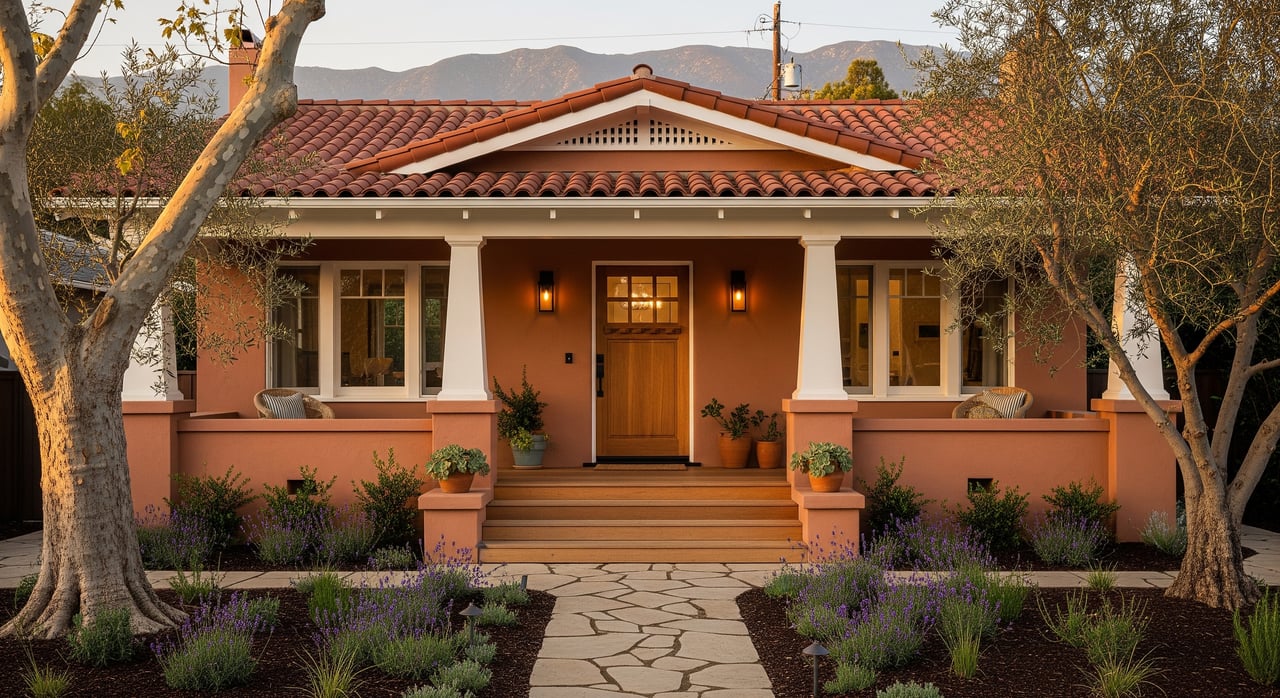
Glendale First Time Home Buyer Step‑By‑Step Guide
December 4, 2025
December 4, 2025
Buying your first home in Glendale can feel exciting and a little overwhelming. You want a smart plan, clear steps, and a guide who understands foothill homes, hillside lots, and the local market’s pace. In this post, you’ll learn the exact process from budgeting to keys, what to expect in escrow, and Glendale-specific tips that help you buy with confidence. Let’s dive in.
Here is the typical flow for a first-time purchase in California and the Glendale foothills:
Contingency periods and escrow length are negotiable. In competitive Glendale neighborhoods, some buyers shorten timelines or strengthen deposits. Balance speed with protection so you do not take on unnecessary risk.
Start with a clear picture of your monthly comfort zone and upfront funds. Gather recent pay stubs, W‑2s or tax returns, bank statements, and ID. Build a simple budget that includes your down payment, estimated closing costs, reserves, and monthly expenses like mortgage, taxes, insurance, and any HOA dues.
Glendale property taxes are roughly 1% of assessed value each year, plus local assessments. Your assessed value resets to your purchase price, and future increases are limited by state rules. Plan for homeowners insurance and consider separate earthquake insurance, which is common in Southern California.
A full pre-approval shows sellers you are ready. It also clarifies loan types, down payment options, and your maximum purchase price. Pre-approval typically takes a few days once your documents are in. Ask lenders about first-time buyer programs available in California and how different loan types affect your payment and cash to close.
Many first-time buyers focus on the Glendale foothills for hillside views and access to nearby amenities. You might also consider Rossmoyne, Montrose, or adjacent foothill areas based on commute needs and lifestyle. If schools are part of your decision, verify attendance boundaries and enrollment policies directly with the district. Keep your search criteria flexible at the start and narrow as you learn what matters most.
Walk through homes, attend open houses, and take notes on condition, layout, and any obvious repairs. When you are ready, your offer will outline price, contingencies, and an earnest money deposit. In Southern California, deposits are often 1–3% of the purchase price and are held in escrow.
Aim for clean, complete offers that reflect your true budget. If you expect competition, consider a stronger deposit, a shorter inspection window, or flexible closing timing. Avoid waiving protections you may need for a sound decision.
Once your offer is accepted, you open escrow. Typical escrow in California runs 30–45 days. During this period you complete inspections, appraisal, loan underwriting, and title review. Contingency timelines are negotiable, but common practice includes:
Review all seller disclosures early. You will see a Transfer Disclosure Statement, a Natural Hazard Disclosure, and a lead-based paint disclosure for homes built before 1978. If you are buying a condo or townhome, request and review HOA documents right away so you have time to evaluate dues, rules, budgets, and reserves.
As closing approaches, you complete your final walkthrough to confirm the property’s condition. You sign loan and closing documents, your lender funds the loan, and title records with Los Angeles County. Once recorded, you receive keys and can begin your move.
After closing, update utilities, confirm your property tax billing information, and review your insurance coverage. If you plan any renovations, secure permits before you start.
Buying in the Glendale foothills can involve unique considerations:
Focused due diligence helps you avoid surprises and price needed repairs or upgrades into your plan.
Work with your lender to compare programs that fit first-time buyers in California:
If you want counseling or help comparing options, ask about HUD-approved housing counseling resources in Los Angeles County. These services can support budgeting, credit preparation, and program education.
Budget for both upfront and ongoing costs:
These are general ranges, not guarantees. Your lender and escrow officer will give you estimates based on your target price and loan structure.
Schedule inspections as soon as escrow opens so you have time to act on the findings. Common inspections include:
Pair inspection results with seller disclosures and permit research. If you find unpermitted work, discuss options with your agent. You might seek a seller credit, negotiate repairs, or set aside funds to address issues after closing.
In Glendale, desirable foothill homes can attract strong interest. You can stay competitive without taking on excessive risk.
Use this quick list to track progress:
As a long-time foothill agent with a licensed contractor background, I focus on practical advice and careful due diligence. I help you understand hillside construction, drainage, retaining walls, and older home systems so you can weigh costs and value with clarity. I also connect you with trusted local lenders, inspectors, and trades who know Glendale’s terrain and timelines. My role is to help you buy the right home on the right terms and to keep the process calm, transparent, and on track.
If you are ready to start or have a few questions, reach out. I am here to help you move from searching to holding your keys with confidence. Let’s connect through Ed Dorini.

July 23, 2026
July 16, 2026
July 9, 2026
July 2, 2026
June 25, 2026
June 18, 2026

June 11, 2026
June 4, 2026
May 28, 2026
Ed works very hard for his clients in helping achieve their goals. Ed has the sophistication and experience needed to capture the attention of the affluent buyers you need to reach, negotiate our best deal and manage your transaction to a successful closing.