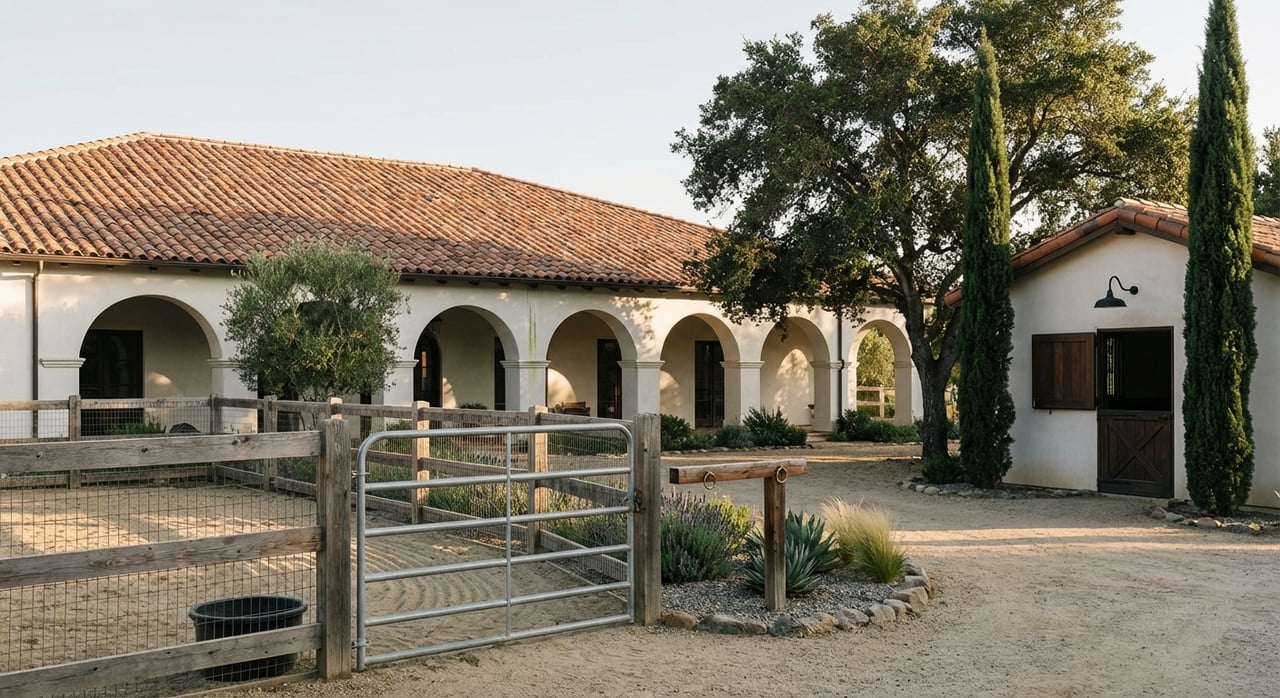
Lakeview Terrace Equestrian Homes & Rural City Living
February 19, 2026
February 19, 2026
Imagine saddling up for a morning ride without leaving the city. If you want room to breathe, space for horses, and quick access to Los Angeles, Lake View Terrace delivers a rare blend of rural living and urban convenience. In this guide, you’ll learn how the neighborhood’s horse-friendly zoning works, what to look for in properties, how to plan your due diligence, and where to ride and board. Let’s dive in.
Tucked into the San Fernando Valley within the City of Los Angeles, Lake View Terrace sits at the base of the San Gabriel foothills near Hansen Dam and the Angeles National Forest. The neighborhood is widely known for its equestrian tradition, visible corrals and barns, and lower housing density than most of the city. The ZIP commonly used is 91342, and the area reads more countryside than city block in many pockets. You can verify the neighborhood context and history through the Lake View Terrace overview.
A major lifestyle anchor is Hansen Dam Horse Park, a multi-arena public equestrian facility and trail hub with shows, lessons, and direct access into local open space. Many residents buy here specifically so they can trailer once, or not at all, and spend weekends on bridle paths instead of freeways.
“Zoned for horses” in Los Angeles has a precise meaning. The Los Angeles Municipal Code allows equine keeping in several residential zones, but the rules change with lot size and zone type, and they are enforced parcel by parcel.
The city also uses Zoning Information files, especially ZI-2438 (Equine Keeping), to preserve equestrian neighborhoods and to set conditions. Always check the parcel’s official record. You can pull an example parcel profile, including ZI references, through the City’s system here: LADBS parcel profile example.
Distance rules can shape how you use a lot. The Zoning Code Manual and related commentary include minimum setbacks for animal-keeping structures from habitable rooms on the same or adjacent lots. In practical terms, a new stable may need to sit 75 feet or more from a neighbor’s habitable room, depending on context. If you plan to build or expand a barn, arena, or manure storage area, confirm the distances that apply before you design. You can review the city’s guidance in the Zoning Code Manual and Commentary.
You will see a mix of mid-century single-story ranch homes, smaller suburban parcels on the west side, and larger ranch or estate lots toward the foothills. Many equestrian-oriented parcels start around 20,000 square feet, and multi-acre properties exist in foothill pockets.
Common on-lot equestrian improvements include:
On larger lots, you may also find private water storage tanks or pumps, which can be valuable in foothill fire seasons.
Beyond riding from home, you can plug into a full equestrian ecosystem. Hansen Dam Horse Park hosts shows and schooling opportunities and serves as a gateway to miles of nearby trails. If you prefer to board or start with lessons before keeping a horse at home, local outfits such as Courtship Ranch offer boarding and training in the surrounding corridor.
Trail riders value this area because the local network connects into Tujunga canyons and the Angeles National Forest. For a broad overview of the setting and outdoor access, see the Lake View Terrace overview.
Lake View Terrace often prices below many hillside neighborhoods elsewhere in the Valley while sitting above nearby flat-valley tracts that do not offer large-lot or equestrian setups. Recent neighborhood trackers have placed median sale prices in the mid-to-upper six-figure range, with considerable variation by micro-area and lot size. Always request a current MLS snapshot before you rely on any number, and remember that equestrian features, usable flat land, and trailer access can drive significant differences in value.
If you are targeting a horse-friendly property, these steps will keep your search on track:
Wildland adjacency is part of the appeal here, and it comes with responsibilities. Follow LAFD brush-clearance requirements annually, maintain defensible space, and consider on-site water storage if the lot allows. Create a written evacuation plan that includes trailer readiness, contact numbers, and at least two exit routes you can reach with a rig. During Red Flag days, stay alert to parking and access notices so you can move quickly if needed. You can find a history and overview of designated zones in the LAFD’s brush fire zone resource.
Buying or selling an equestrian property is as much about reading the land and code as it is about curb appeal. With a contractor background and three decades in foothill markets, I help you evaluate usability, setbacks, and the true cost and timeline of any barn or arena improvements. I also bring a vetted network of local trades, lenders, and inspectors who understand equine setups.
If you’re selling, I pair hands-on project management with Compass tools like Concierge and Private Exclusive to prepare and position your property the right way. If you’re buying, I filter opportunities fast and focus showings on parcels that actually fit your goals and the code.
Ready to explore Lake View Terrace? Reach out to Ed Dorini to discuss your plan.
July 23, 2026
July 16, 2026
July 9, 2026
July 2, 2026
June 25, 2026
June 18, 2026
June 11, 2026
June 4, 2026
May 28, 2026
Ed works very hard for his clients in helping achieve their goals. Ed has the sophistication and experience needed to capture the attention of the affluent buyers you need to reach, negotiate our best deal and manage your transaction to a successful closing.