A Guide to Pasadena Historic Homes Styles
May 28, 2026
May 28, 2026
Wondering what really makes a Pasadena home a "character home"? In this city, that question matters because Pasadena’s housing story spans several distinct eras, and the details you see on the street often tell you a lot about how a home lives, how it may be maintained, and what buyers tend to notice first. If you are trying to understand the difference between a porch-centered Craftsman and a glassy midcentury home, this guide will help you spot the key styles and think more clearly about what they mean in practice. Let’s dive in.
Pasadena is widely known as one of Southern California’s architectural centers, and that reputation is rooted in the city’s long pattern of residential growth. Older housing here reflects several major building waves, from the turn-of-the-century bungalow era to the 1920s revival period and the postwar expansion that brought ranch and modern forms.
That layered history is one reason Pasadena feels so visually rich from block to block. The city’s own historic-context work identifies Craftsman and California Bungalow, Spanish Colonial Revival, Monterey Colonial, Ranch, and Mid-Century Modern among the core residential styles that define Pasadena’s architectural identity.
Many Pasadena neighborhoods are also designated as landmark or historic districts. That means architectural character is not just part of the city’s visual appeal. It can also shape preservation considerations, renovation decisions, and the way a home is understood in the market.
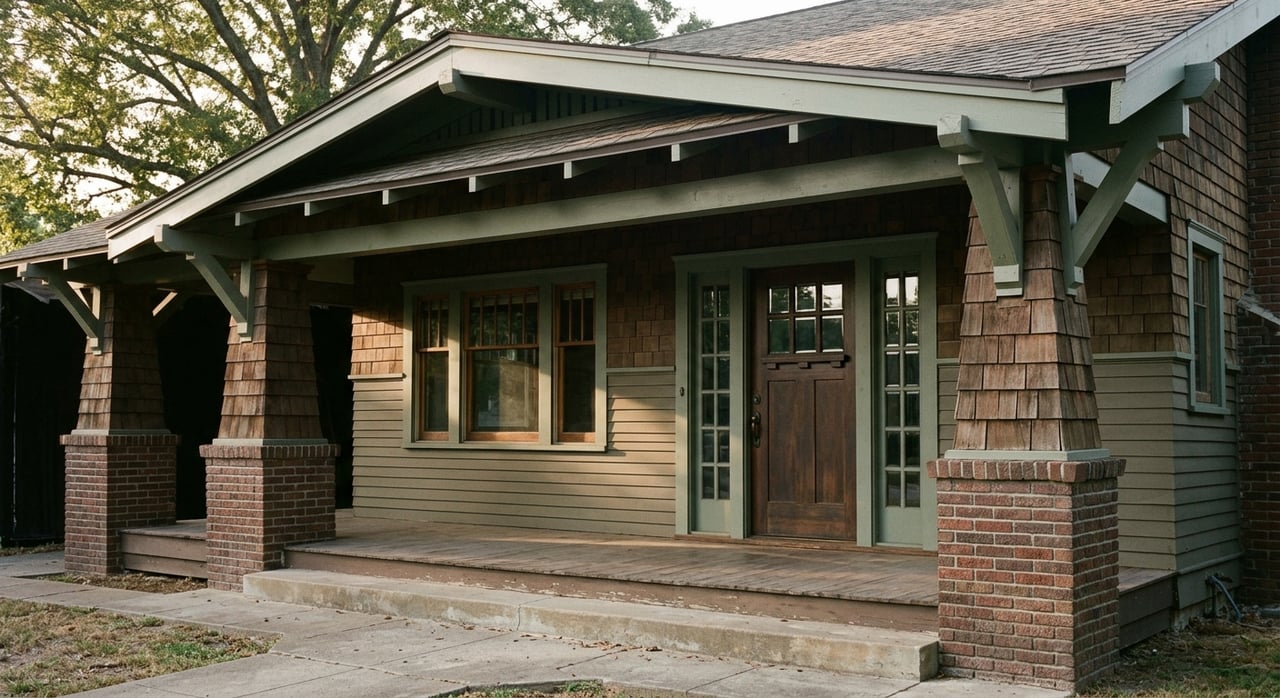
Pasadena is especially associated with the Craftsman tradition. In practical terms, that means you will see everything from modest bungalows to larger, more detailed houses that showcase fine woodwork, strong rooflines, and a close relationship between indoor and outdoor space.
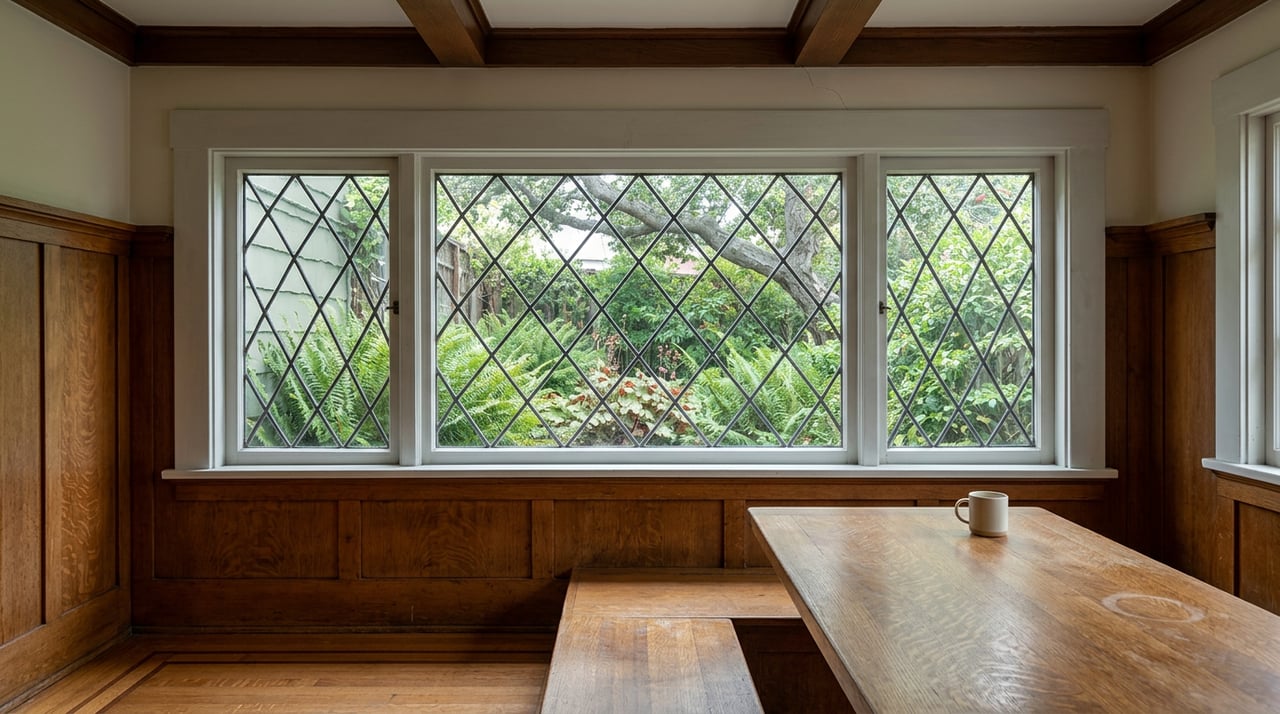
Typical Pasadena Craftsman and California Bungalow features include low-pitched gabled roofs, wide eaves, exposed rafter tails, wood shingle or clapboard siding, grouped windows, and broad porches or terraces. Better-preserved examples may also show high-quality built-ins and detailed joinery that give these homes their lasting appeal.
Most bungalow layouts feel compact, efficient, and porch-centered rather than formal. Many are one story or one-and-a-half stories, which gives them a grounded, approachable presence from the street.
For buyers, that often translates into a home that feels warm and connected to the lot. For sellers, original details such as porch columns, windows, roof forms, and wood finishes can play a major role in how the home is perceived.
Some of Pasadena’s best-known areas for Craftsman homes include:
The city describes Bungalow Heaven as one of the largest collections of California Craftsman bungalows in Pasadena and the largest intact grouping of working-class housing from the late nineteenth and early twentieth centuries. Washington Square and Garfield Heights also contain significant concentrations of Craftsman bungalows, while Orange Heights is largely Craftsman but includes other styles as well.
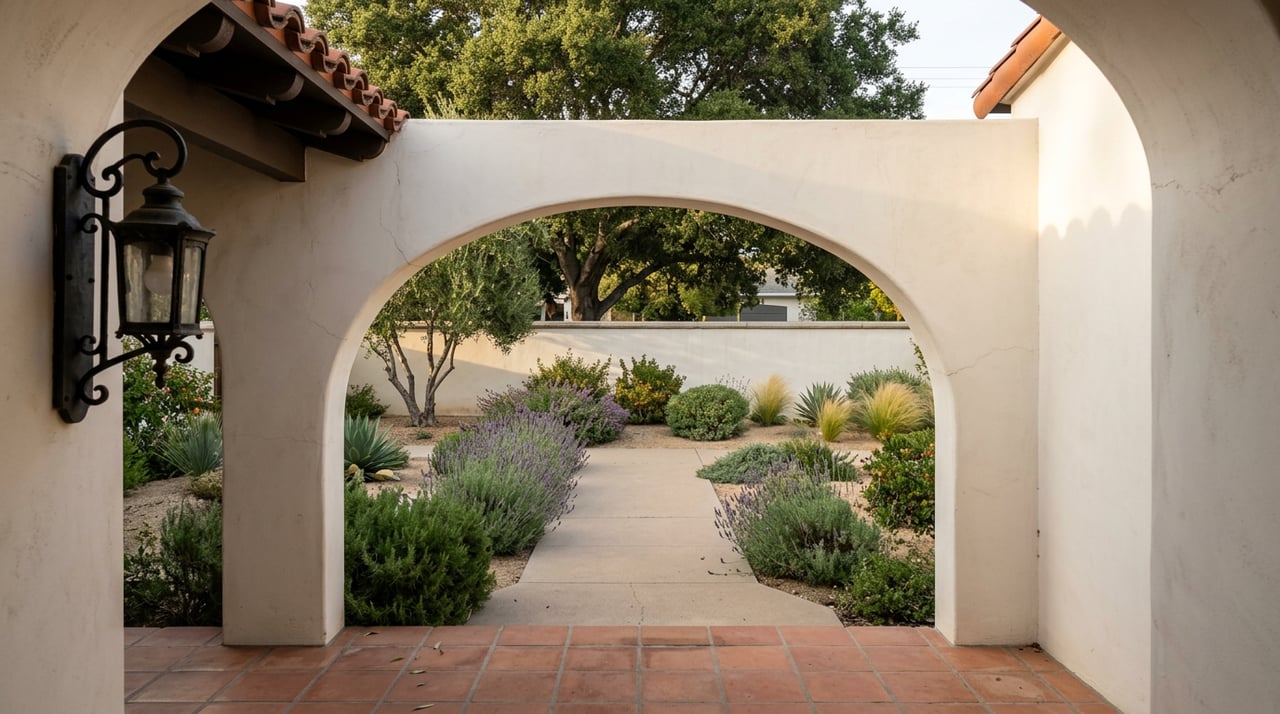
If Craftsman homes often feel informal and wood-rich, Spanish Colonial Revival homes tend to feel more enclosed, composed, and courtyard-oriented. Pasadena is notably rich in these homes, especially from the 1920s, and the city identifies the style as one of its defining revival forms.
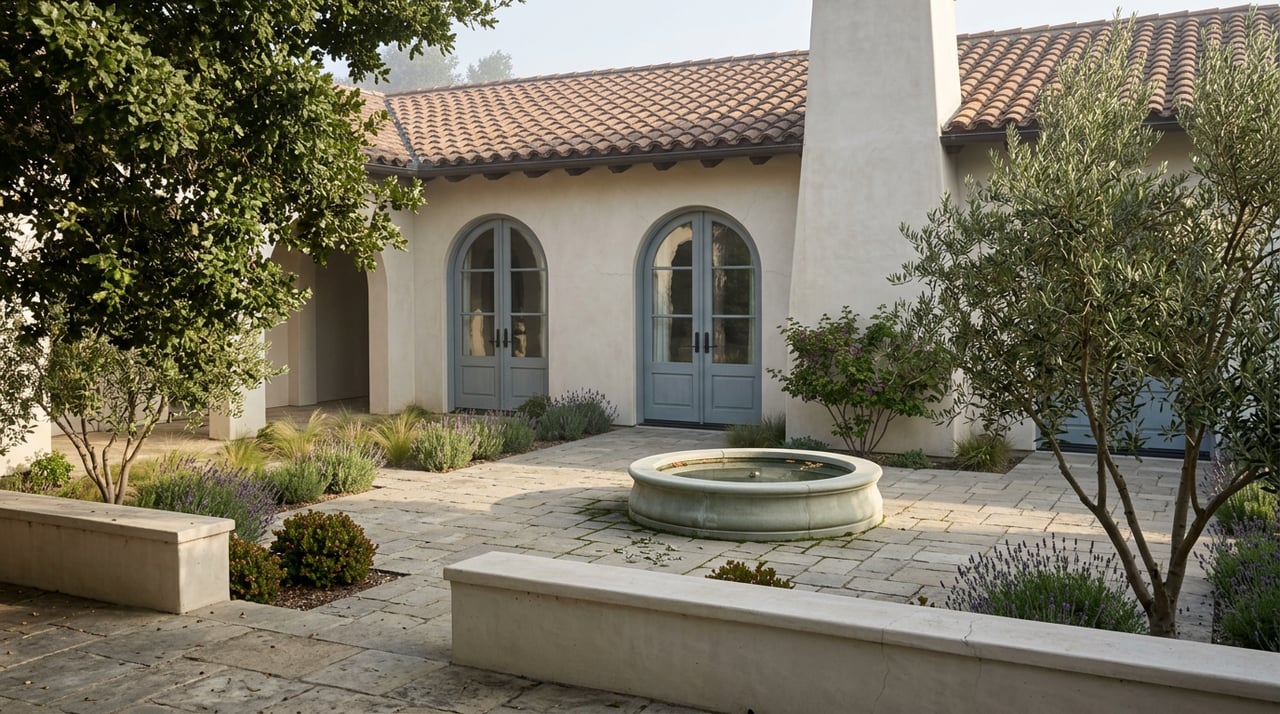
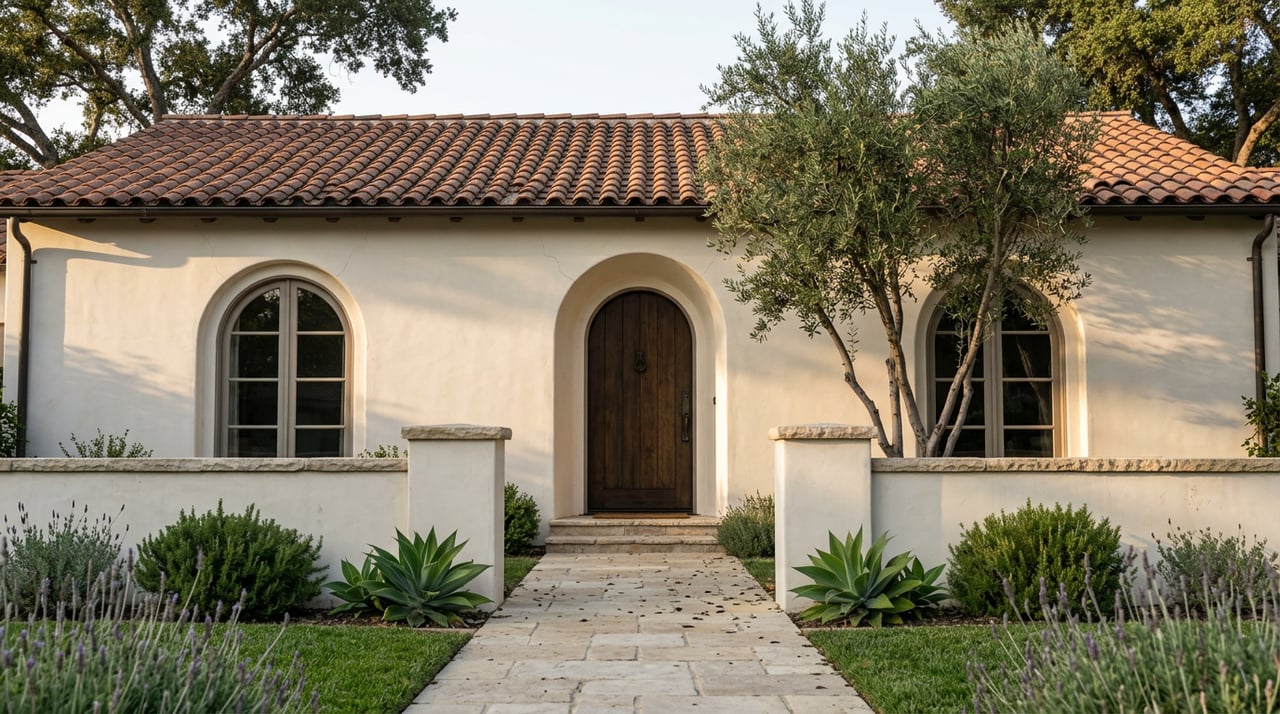
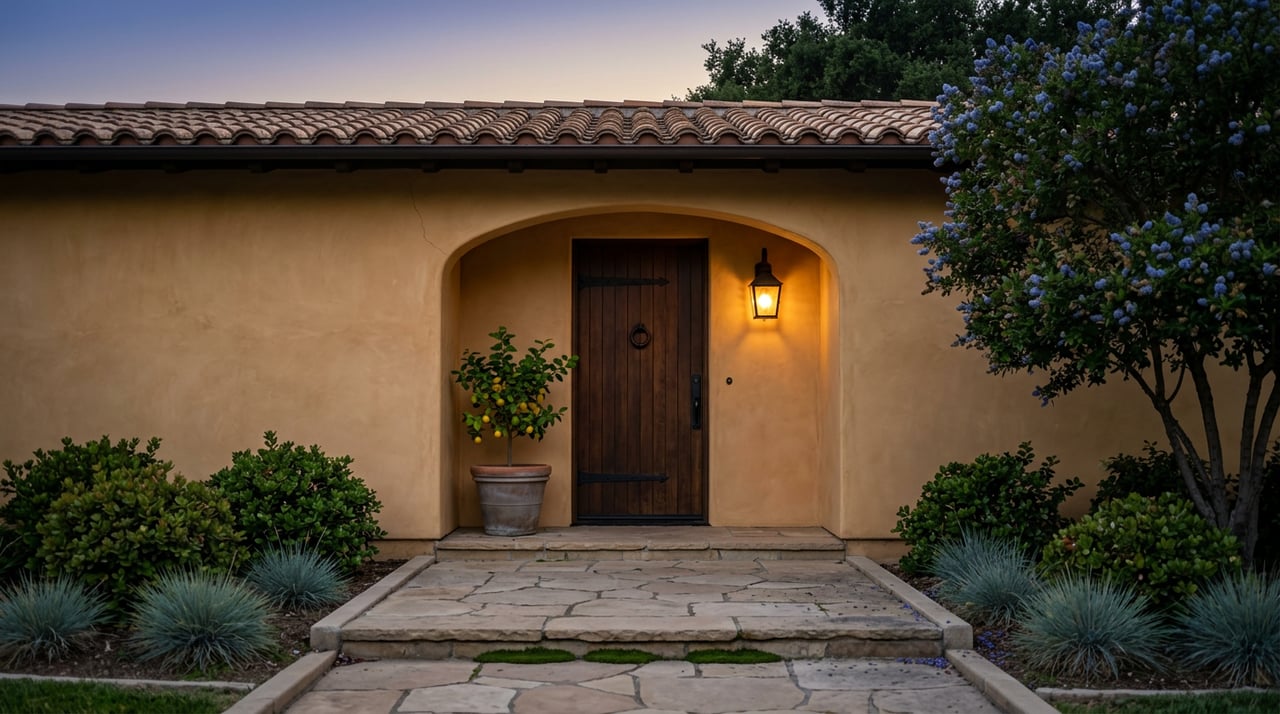
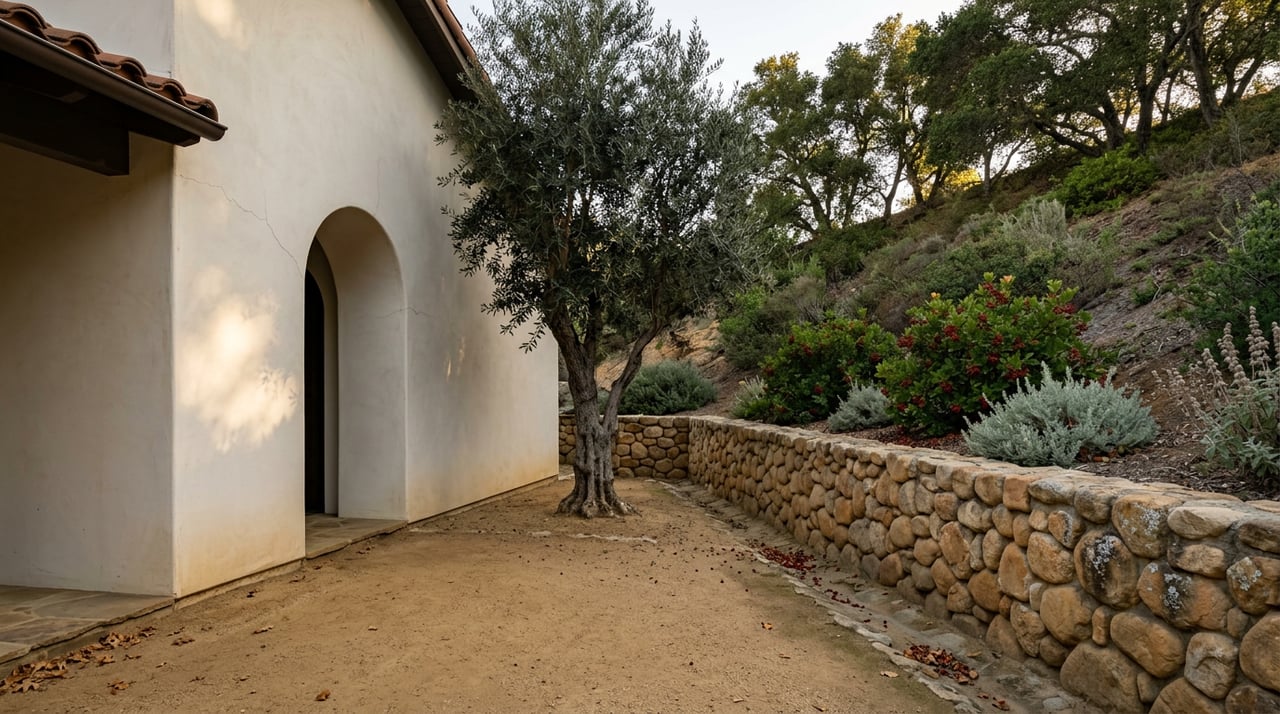
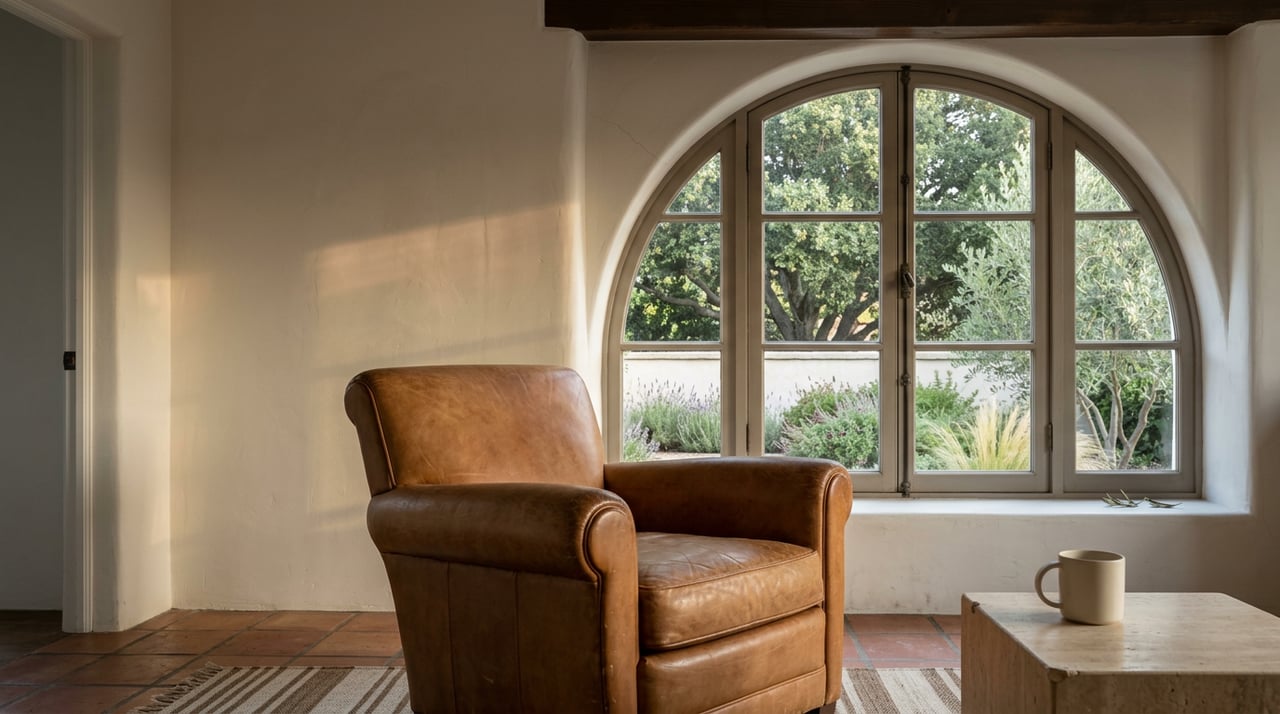
You can usually recognize Spanish Colonial Revival homes by smooth stucco or plaster walls, low-pitched clay-tile roofs, arched openings, wood casement or multi-light windows, decorative iron details, and patios, balconies, or courtyards. These homes often create a strong sense of arrival through entry sequence and exterior massing.
Floor plans are commonly rectangular, U-shaped, or irregular, with either symmetrical or asymmetrical massing. Compared with a bungalow, the feeling is often more inward-looking, with outdoor living organized around a patio or courtyard instead of a front porch.
That difference matters when you are comparing homes. Two properties may have similar square footage, but the layout and orientation can create a very different day-to-day experience.
For a broad Pasadena overview, central Pasadena and the Pasadena Playhouse/Civic Center area are reliable places to understand this style, since the city identifies Spanish Colonial Revival as the most common style there. The Lake and Washington corridor also includes a mix of California Bungalow, Spanish Colonial Revival or Spanish Eclectic, and Minimal Traditional homes.
Pasadena’s bungalow courts also help tell this story. While early courts were often Craftsman, later examples frequently shifted into Spanish Colonial Revival and other period-revival styles.
Pasadena’s character-home story does not stop in the 1920s. Postwar neighborhoods added another major chapter, and that is where Mid-Century Modern and Ranch homes enter the picture.
Midcentury homes in Pasadena are often recognized by post-and-beam construction, open plans, large expanses of glass, and low or flat roofs. The city describes Mid-Century Modern as a postwar adaptation of International Style ideas to local climate, topography, and materials.
Earlier homes often divide living, dining, and kitchen spaces into separate rooms. Midcentury plans tend to connect those spaces more openly, creating a layout that can feel lighter, more efficient, and more visually tied to the outdoors.
In Pasadena, the term "midcentury" also overlaps at times with Ranch and Modern Ranch homes. The city treats these as related but distinct forms, which is useful to keep in mind when you are comparing listings or evaluating renovations.
Some of the strongest Pasadena areas for this look include:
The city says Poppy Peak contains one of the finest collections of Mid-Century Modern houses in Southern California and the largest, most significant collection in Pasadena. Hastings Ranch stands out as Pasadena’s only large-scale planned postwar community, while Linda Vista and Pegfair Estates contain intact ranch and modern homes tied to the postwar housing boom.
One of the most useful things to know about Pasadena architecture is that many streets are mixed. A neighborhood may be strongly associated with one style, but that does not mean every home on every block fits the same label.
For example, city district studies note that Bungalow Heaven, though mostly Craftsman, also includes Spanish Colonial Revival and Tudor homes. Orange Heights is largely Craftsman but also includes Period Revival homes and an early California Ranch.
That mix is part of what gives Pasadena its depth. It also means you should evaluate each property on its own merits instead of assuming the neighborhood name tells the whole story.
Beyond the headline styles, Pasadena includes several other recurring home types that contribute to its architectural identity. These include:
For buyers, these homes can offer a different balance of formality, layout, and renovation needs. For sellers, clear style identification can help frame a property more accurately, especially when original features remain intact.
In Pasadena, style is only part of the picture. Integrity and context often matter just as much, especially for homes in landmark or historic districts.
The city’s preservation system looks at whether a property retains its character-defining features. In many landmark or historic districts, exterior changes may require a Certificate of Appropriateness before a building permit can be issued, and major alterations or new construction are also subject to city design review.
For many character homes, the features most likely to affect maintenance planning and review include:
Pasadena’s design guidance emphasizes preserving those defining elements. It also states that additions should be compatible with the original building and, where possible, reversible.
If you are buying, it helps to understand not just the style of the home but how much of its original character remains. A highly intact home may carry a different maintenance path than a heavily altered one, even if both began in the same architectural style.
If you are selling, presentation matters in a more technical way than many owners expect. Original features, thoughtful updates, and a clear understanding of what should be preserved can shape buyer response.
This is also where practical construction insight becomes valuable. When you are weighing repairs, restoration, or improvement choices on an older home, it helps to look beyond surface aesthetics and understand what the house is asking for structurally and architecturally.
Some Pasadena neighborhoods are more rule-aware than others because they have their own conservation plans. The research notes this specifically for areas such as Bungalow Heaven and Garfield Heights.
That does not mean every change is impossible. It means owners should approach exterior work with a clear understanding of local review requirements and the home’s defining features before making major plans.
For some designated historic properties, Pasadena’s Mills Act property-tax program may also be relevant. The city states that eligible properties can apply if they meet local requirements and agree to rehabilitate and maintain the property according to the Secretary of the Interior’s Standards.
Pasadena is generally credited as the birthplace of the bungalow court, which adds another layer to the city’s character-home landscape. The city has documented 112 bungalow courts, with the largest concentration on South Marengo Avenue.
These courts are useful to understand because they show how Pasadena’s architectural story extends beyond detached single-family homes. Early examples were Craftsman, while later courts often reflected Spanish Colonial Revival, Tudor Revival, Colonial Revival, English Cottage Revival, or Minimal Traditional design.
If you are trying to narrow your search or prepare a home for sale, a few questions can help you think clearly:
In Pasadena, those answers often matter more than broad assumptions. A beautifully preserved bungalow, a formal Spanish Colonial Revival home, and a clean-lined midcentury residence can each be compelling, but for different reasons.
If you are weighing a purchase or planning improvements before a sale, I can help you look at the property with both market perspective and construction-minded judgment. For tailored guidance on Pasadena character homes, reach out to Ed Dorini.
September 17, 2026
September 10, 2026
September 3, 2026
August 27, 2026
August 20, 2026
August 13, 2026
August 6, 2026
August 6, 2026
July 23, 2026
Ed works very hard for his clients in helping achieve their goals. Ed has the sophistication and experience needed to capture the attention of the affluent buyers you need to reach, negotiate our best deal and manage your transaction to a successful closing.