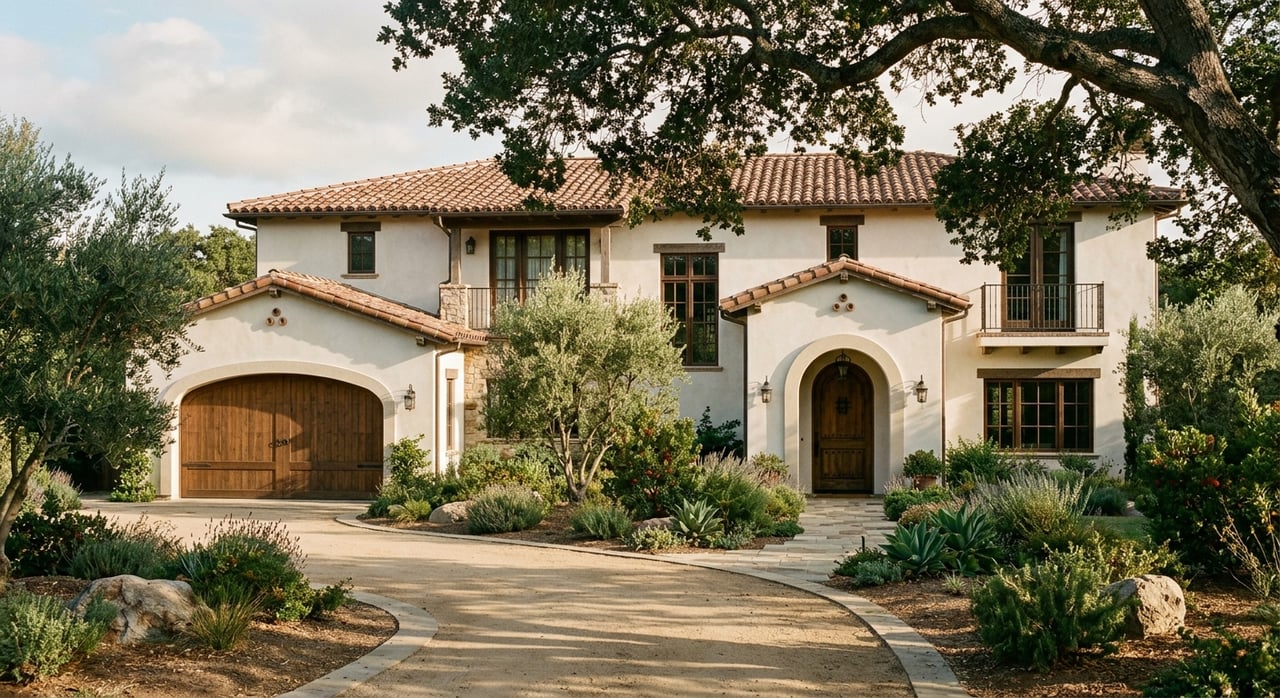
La Canada vs La Crescenta Homes: Finding the Right Fit
May 21, 2026
May 21, 2026
Trying to choose between La Cañada Flintridge and La Crescenta-Montrose? At first glance, they can seem like neighboring versions of the same foothill lifestyle, but they often serve very different priorities. If you are weighing budget, lot size, school district structure, renovation goals, or daily convenience, the right fit usually becomes clearer once you look past the map. Let’s dive in.
La Cañada Flintridge and La Crescenta-Montrose share foothill appeal, but they are structured differently. La Cañada Flintridge is an incorporated city with planning goals centered on preserving a semi-rural, scenic residential character. La Crescenta-Montrose is an unincorporated Los Angeles County community with a smaller footprint and two main commercial corridors.
That difference shapes how each place feels in daily life. La Cañada Flintridge covers 8.63 square miles, so it often feels more spread out and private. La Crescenta-Montrose is about 3.43 square miles, which tends to create a more compact, connected, and errand-friendly experience.
For many buyers, price is the first filter. In March 2026, Redfin reported a median sale price of about $2.71 million in La Cañada Flintridge, compared with about $1.36 million in La Crescenta-Montrose. Realtor.com snapshot data pointed in the same direction, with listing prices around $2.85 million in La Cañada Flintridge and $1.55 million in La Crescenta-Montrose.
Competition also looks different. Redfin showed an average of 8 offers in La Cañada Flintridge versus 1 offer on average in La Crescenta-Montrose. If you want more pricing flexibility or a lower entry point into the foothills, La Crescenta-Montrose may offer more room to work. If you are targeting La Cañada Flintridge, it helps to be prepared for a higher budget and stronger market pressure.
Your day-to-day rhythm matters just as much as the purchase price. Redfin rates La Cañada Flintridge as car-dependent, with a Walk Score of 34 out of 100. La Crescenta-Montrose scores 53 out of 100, which places it in somewhat walkable territory.
In practical terms, La Crescenta-Montrose often makes errands and neighborhood services easier to fold into your routine. County planning materials describe the community as shaped by I-210 and Foothill Boulevard, and Glendale planning documents refer to neighborhood-based shopping opportunities in the area. La Cañada Flintridge also has strong regional access through I-210 and the SR-2 connector, but its more insulated layout usually means more driving and a quieter residential atmosphere.
If schools are part of your decision, it helps to focus on district size and structure rather than assumptions. La Cañada Unified School District is much smaller, with about 4,006 students in 2025-26 and 1.9% English learners. The district operates three elementary schools, La Cañada 7/8, and La Cañada High School.
La Crescenta-Montrose is generally served by the larger Glendale Unified School District, which had about 25,281 students in 2025-26 and 20.4% English learners. Schools serving the area include La Crescenta Elementary, Monte Vista Elementary, Mountain Avenue Elementary, Rosemont Middle, and Crescenta Valley High. A larger district can mean more program variety, while a smaller district can feel more intimate.
No matter which area you prefer, school assignment should be confirmed by property address. Boundary references are useful starting points, but they are not enrollment guarantees.
One of the clearest differences between these two foothill markets is the housing pattern. La Cañada Flintridge’s housing element shows R-1 minimum lot sizes ranging from 5,000 square feet to 10 acres. That wide range helps explain why the city can include both standard suburban lots and much larger estate-style properties.
La Crescenta-Montrose presents a more consistent older-suburban housing profile. County planning describes the area as 76.5% single-family housing, with 83% of the stock built before 1979. For many buyers, that means the search is less about finding oversized land and more about identifying a well-kept home, a smart remodel candidate, or a property where updates can add long-term value.
If you are comparing these neighborhoods through the lens of renovation potential, details matter. La Cañada Flintridge specifically references programs that include ADUs, JADUs, and lot consolidation as part of its housing planning framework. That does not mean every parcel is easy to expand, but it does show that lot configuration and property potential can vary significantly across the city.
In La Crescenta-Montrose, county planning standards point to a more regulated pattern for additions and exterior changes, especially on R-1 lots 7,500 square feet and larger. The county’s La Crescenta-Montrose Community Standards District and corridor lighting rules suggest that design and scale are important considerations. In both communities, you should verify zoning, lot size, and applicable city or county standards before assuming an addition, remodel, or ADU plan will work.
This is where local guidance can be especially valuable. If you are looking at a fixer, land value, or expansion potential, a technical read on the parcel can save time and avoid expensive assumptions.
Neither community is universally better. The better choice depends on how you want to live and what kind of property you want to own.
If you are still torn, try comparing the two areas through your top three non-negotiables. For example, you might rank budget, lot potential, and daily convenience. Once you do that, the tradeoffs usually become easier to see.
You can also narrow your search by property type. A buyer looking for estate-scale land, privacy, or unusual lot potential may naturally lean toward La Cañada Flintridge. A buyer looking for a foothill single-family home with a lower entry point and a more connected neighborhood pattern may find La Crescenta-Montrose more practical.
From my perspective, this comparison is not just about price. It is about matching your purchase to your lifestyle, your tolerance for future project work, and the way you want your home to function over time.
If you want help weighing lot size, renovation possibilities, or the real tradeoffs between these two foothill markets, Ed Dorini can help you compare homes with a clear, practical lens.
September 17, 2026
September 10, 2026
September 3, 2026
August 27, 2026
August 20, 2026
August 13, 2026
August 6, 2026
August 6, 2026
July 23, 2026
Ed works very hard for his clients in helping achieve their goals. Ed has the sophistication and experience needed to capture the attention of the affluent buyers you need to reach, negotiate our best deal and manage your transaction to a successful closing.