La Cañada Flintridge Lifestyle and Daily Living
June 4, 2026
June 4, 2026
Looking for a place that feels connected, established, and close to nature without being far from daily essentials? That balance is a big part of everyday living in La Cañada Flintridge. If you are considering a move here, or simply want a clearer picture of what life actually feels like day to day, this guide will walk you through the rhythms, layout, and lifestyle that shape the city. Let’s dive in.
La Cañada Flintridge is a compact foothill city with about 19,480 residents spread across 8.63 square miles. The city describes itself through a strong sense of small-town character and community connection, and that comes through in how the area is laid out and used.
Set in the foothills of the San Gabriel Mountains, the city has a semi-rural feel in many areas. Local materials also point to an equestrian, hiking, and bicycling culture, which helps explain why outdoor access is part of daily life here rather than just a weekend activity.
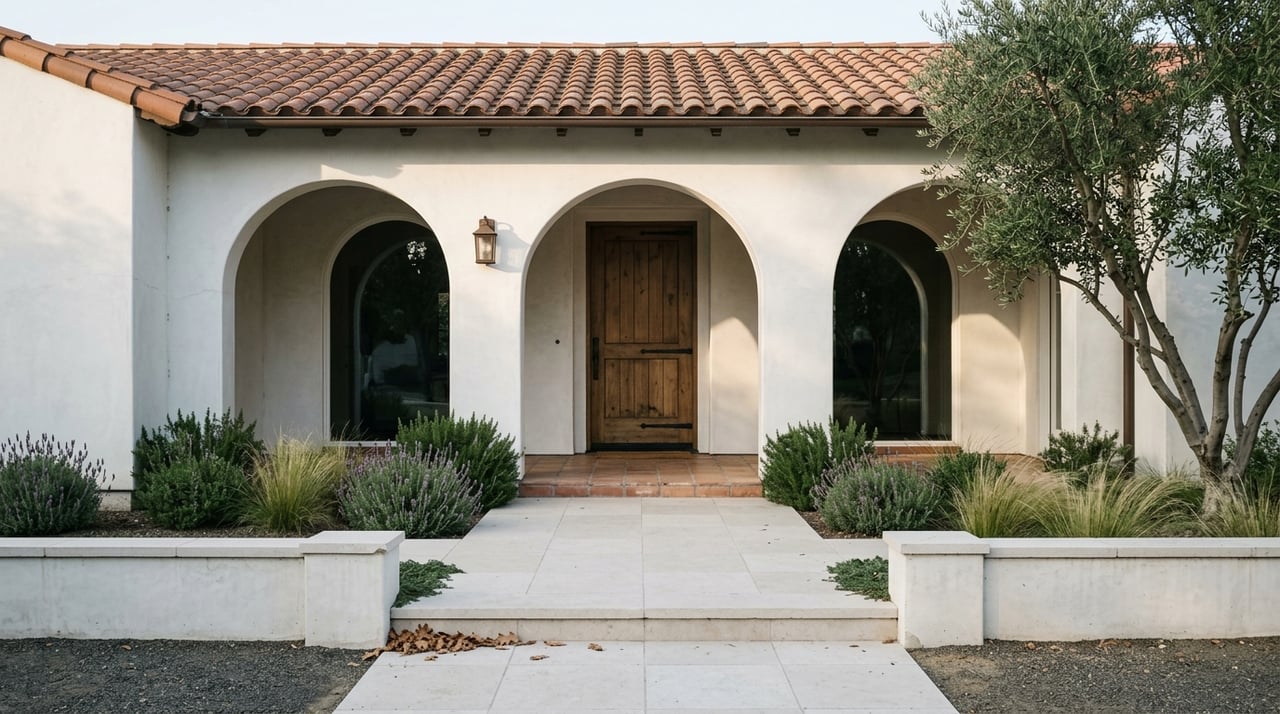
If you spend time driving through La Cañada Flintridge, you are more likely to see established residential streets than large clusters of newer apartment development. According to the adopted housing element, roughly 92% of the housing stock is detached single-family housing, and nearly 80% was built before 1970.
That gives many neighborhoods a mature, lived-in feel. In practical terms, everyday living here often means older homes, many of which have been updated or renovated over time, rather than a newly built master-planned environment.
The ownership pattern reinforces that sense of stability. Census data show that 86.9% of households are owner-occupied, with median owner-occupied home values above $2,000,000 and median rent at $2,873.
For most residents, the car is still the default. ACS profile data show that 59% of workers drive alone, 7% carpool, and the mean travel time to work is 29.5 minutes.
At the same time, remote work is a real part of local life. About 30% of workers work from home, which is a meaningful share and helps shape how people use their homes and their time during the week.
Public transportation is available, though it is more corridor-based than citywide in feel. The city notes that fixed-route service runs along Foothill Boulevard, with the LCF Shuttle, Glendale Beeline, Pasadena Transit, LA Metro, and LADOT Commuter Express serving local bus stops.
Those services connect riders to places such as JPL, Montrose, Glendale Galleria and The Americana, Caltech, and Downtown Los Angeles. The city also lists Dial-A-Ride and LA Metro Metro Micro service in parts of town, which can add flexibility depending on where you live and where you need to go.
Geography matters here. Planning documents identify Foothill Boulevard as both the city’s commercial spine and its transit spine, so many day-to-day errands and trips naturally revolve around that corridor.
If you are comparing different parts of town, this is useful to know. Homes with easier access to Foothill Boulevard may feel more convenient for shopping, dining, and bus service, while homes closer to the foothills may trade some convenience for quicker access to trails and open space.
La Cañada Flintridge does not feel spread out when it comes to retail and dining. Instead, many everyday businesses are concentrated along the main business corridor, which the Chamber says includes more than 350 businesses and over 400 home-based businesses.
That concentration can make daily life feel simpler. Rather than driving across a large city for routine stops, many errands tend to center around Foothill Boulevard and the town’s core commercial areas.
The city’s Downtown Village Specific Plan describes downtown as the heart of the community, with attractive streets, enjoyable public spaces, and lively mixed-use commercial areas. That planning goal helps explain why this area matters beyond shopping alone.
In everyday terms, Downtown Village is where civic activity, restaurants, and local businesses come together. It is the part of town with the most active feel, especially if you value being close to services and a more walkable commercial environment.
Some of the city’s routines are easy to picture. The LCF Farmers Market is held every Saturday from 9:00 a.m. to 1:00 p.m. at 1300 Foothill Boulevard, across from Memorial Park.
Beyond that, the city lists a wide range of community amenities, including parks, sports fields and courts, a skate park, hiking and equestrian trails, a public library, the historic Lanterman House, and Descanso Gardens. These are the kinds of places that often become part of a regular weekly routine, not just occasional destinations.
One of the clearest themes in La Cañada Flintridge is outdoor access. The city says trails have been an asset since before incorporation, and local trail resources describe a system of about 23 miles of trails, including a City Loop that circles town.
The Chamber similarly describes a 22-mile trail system used by hikers, runners, mountain bikers, equestrians, and dog walkers. Whether you are looking for active recreation or just more contact with open space, that trail network is a defining part of the local lifestyle.
Not every part of La Cañada Flintridge feels the same, and that is part of what makes home searches here more nuanced. Areas near the open-space edge and northern foothills are generally closer to trail access, the Angeles National Forest boundary, and the city’s outdoor identity.
That can shape your day in simple ways. You may feel more connected to hiking, equestrian routes, and foothill scenery, while still remaining within a relatively compact city footprint.
If you are trying to picture where you might feel most at home, it helps to think in terms of lifestyle patterns instead of just street names.
This is generally the most active part of the city. It has the strongest mix of retail, dining, civic uses, and the most direct transit access.
If your routine includes frequent errands, coffee runs, nearby services, or easier access to bus lines, this area may feel especially convenient.
Much of the city is defined by established residential neighborhoods made up mostly of detached single-family homes. Because so much of the housing stock is older, these areas often read as mature neighborhoods with homes that have been maintained, expanded, or renovated over time.
For many buyers, this is a major part of the appeal. The setting often feels settled and residential rather than fast-changing.
Homes closer to the foothills and open-space edges tend to connect more directly to the city’s trail and equestrian identity. These areas can feel especially tied to the landscape and the semi-rural character the city is known for.
If outdoor access matters to you, this distinction is worth paying attention to during your search. Two homes in the same city can support very different daily routines depending on where they sit relative to trails, Foothill Boulevard, and open space.
At a practical level, La Cañada Flintridge behaves like a mature foothill market. It is car-oriented for most commuting, rich in outdoor access, centered around a focused commercial corridor, and dominated by detached homes in established neighborhoods.
That combination is not always easy to find. You get a city with a compact footprint and a clear town center, but also strong access to trails, open space, and a foothill lifestyle that shapes daily life in tangible ways.
If you are evaluating whether La Cañada Flintridge fits your goals, it helps to think beyond square footage and lot size. Pay attention to how you want your days to work, including your commute, your errands, your connection to the outdoors, and how close you want to be to the town’s central corridor.
In my experience, that is often where the right fit becomes clear. If you want help understanding how different parts of La Cañada Flintridge align with your lifestyle, property goals, or renovation plans, Ed Dorini is always happy to have a practical conversation.
September 17, 2026
September 10, 2026
September 3, 2026
August 27, 2026
August 20, 2026
August 13, 2026
August 6, 2026
August 6, 2026
July 23, 2026
Ed works very hard for his clients in helping achieve their goals. Ed has the sophistication and experience needed to capture the attention of the affluent buyers you need to reach, negotiate our best deal and manage your transaction to a successful closing.