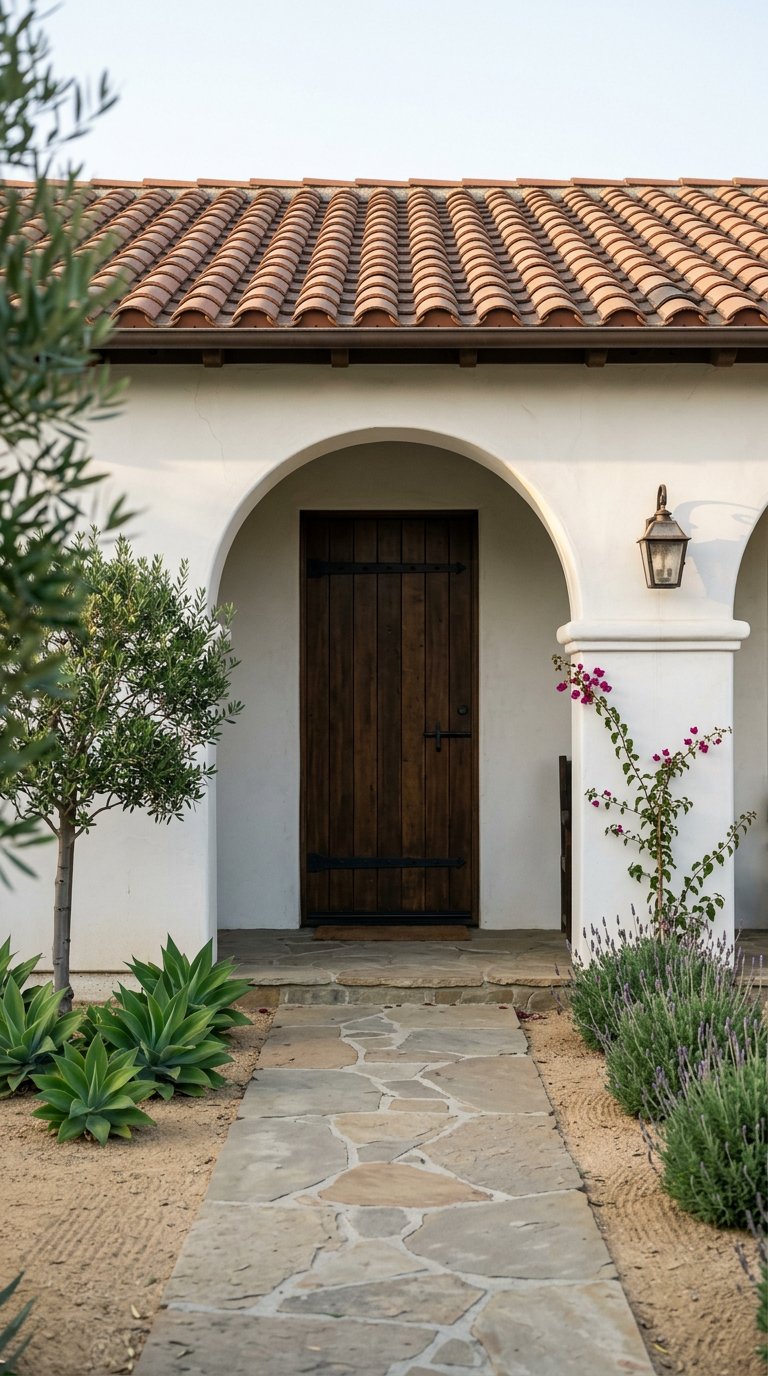
If you follow Glendale’s foothill neighborhoods, you know the market does not move in a straight line. One week a polished canyon home sells in days. Another week a fixer sits while buyers run their numbers. You want to understand what is really happening and how to use it. In this guide, you will see what the latest trends mean for you, with clear steps for buyers and sellers in Chevy Chase Canyon, Rossmoyne, Verdugo Woodlands, Adams Hill and nearby pockets. Let’s dive in.
Glendale foothill market at a glance
Glendale’s single-family prices sit in the low to mid seven figures, with homes going pending faster than a year ago in many pockets. Citywide snapshots show median days on market in the mid 30s on one source and closer to the high 50s on another. The gap comes from different reporting windows and whether the data reflects active listings or closed sales.
In early March 2026, a weekly list-side snapshot signaled a balanced to slightly seller-leaning city market. That reflects steady buyer demand and limited quality supply. Expect the foothills to run hotter when a home is turnkey and priced on the number.
- Citywide supply has hovered around a few hundred active listings in recent months. Composition matters more than the headline count.
- Sale-to-list ratios near 100 percent suggest buyers still pay up for well-prepared homes, especially in the hills.
- Micro-markets vary. A renovated Rossmoyne home can see multiple offers, while a heavy Chevy Chase fixer may need creative financing or a price that reflects scope.
For a weekly pulse on asking-price trends, check the Altos market snapshot for Glendale. For MLS-grade closed-sale accuracy, local agents pull Glendale Association of REALTORS and CRMLS data.
Why foothill neighborhoods behave differently
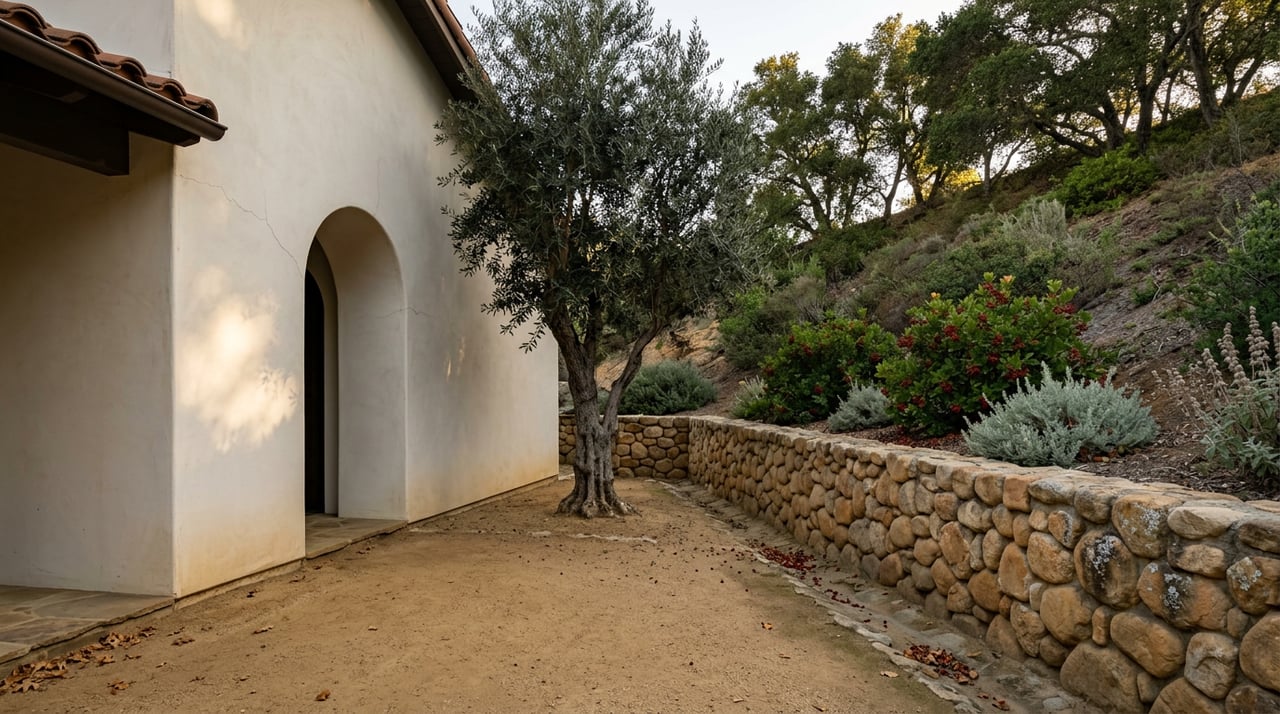
Hillside homes often sit on larger or irregular lots with slope. That means fewer direct comparables and a wider spread in value. Many also come with unique features such as retaining walls, older drainage systems or past grading work that buyers and lenders want to understand.
On these lots, permits and soil reports matter. Glendale’s rules require permits and geotechnical documentation for certain grading or slope work. Having that file ready reduces questions in escrow. Review the city’s guidance here: Glendale hillside grading and geotechnical requirements.
Neighborhood snapshots buyers and sellers ask about
Use these patterns as a guide. Final pricing always comes back to condition, lot, view and recent sold comps.
Chevy Chase Canyon
- Typical single-family medians often land around the mid to high $1.4 to $1.7 million range.
- Turnkey properties with updated systems and clear permits tend to sell faster.
- Larger hillside lots and view premiums can push price per square foot higher.
Rossmoyne and Rossmoyne Hills
- Historically one of Glendale’s pricier, architecturally cohesive pockets.
- Recent medians often cluster around the mid $1.6 million range.
- Condition drives speed. A well-presented home can compress days on market.
Verdugo Woodlands, College Hills and Adams Hill
- These areas often price above central Glendale but below the most expensive canyon estates.
- Price per square foot can be higher when a property offers views, lot appeal or strong overall presentation.
- Expect a wide value band based on slope, access, and renovation level.
Reading the numbers the right way
Different sites tell different parts of the story. List-side trackers capture the now. Closed-sale portals trail by weeks. MLS reports focus on sold comps and are best for decisions.
- Weekly list-side trends give you a sense of current seller pricing and buyer attention. See the Altos Glendale weekly snapshot for that signal.
- MLS snapshots show what actually closed. The Glendale Association of REALTORS regularly publishes market updates. For context, see the GAOR monthly snapshot example.
Turnkey vs. fixer: what moves and why it matters
In the foothills, you see both polished listings and as-is opportunities. Turnkey homes usually attract more conventional buyers and cleaner appraisals. Heavy fixers can sit longer and may favor cash or renovation financing.
There is no single, reliable “fixer discount” percentage for Glendale. The gap depends on scope, permits, slope conditions, and the buyer pool. Use a tight set of recent, condition-matched comps to price or bid.
If you finance, lenders and appraisers must flag items that affect safety or livability. Minimum property standards can require repairs before closing. You can review baseline guidance in HUD’s FHA handbook resources. Buyers who want to improve a home sometimes use renovation loans like an FHA 203(k), which wrap repairs into one mortgage.
What this means if you are selling
Buyers pay for certainty and presentation. In hillside pockets, a small set of smart steps can widen your buyer pool and reduce lender friction.
- Focus on high-ROI prep. National research shows agents often recommend targeted projects like fresh paint, roof work when needed and select kitchen or bath repairs. See NAR’s Remodeling Impact Report for what owners tackle and why.
- Get ahead of hillside questions. Gather permits, grading or retaining-wall records and any geotechnical reports. Share early to build confidence. Glendale’s rules are summarized in the city’s hillside guidance.
- Price to the moment. In pockets where sale-to-list still hovers near or just above 100 percent, a sharp list price can generate multiple offers. Ground your number in sold comps from MLS. For context on local reporting, here is a GAOR market snapshot.
- Consider a prep program. If you plan value-add updates before hitting the market, ask about broker-supported options like Compass Concierge that can streamline light improvements and staging.
- Choose the right channel. Some homes benefit from broad exposure. Others do better with a quieter rollout. Private Exclusive marketing can target qualified buyers while you complete prep.
What this means if you are buying
A clear plan helps you act fast on the right property while managing risk.
- Get fully pre-approved and have proof of funds ready. In hot foothill pockets, clean terms often win.
- Budget for due diligence on slopes. Plan for a thorough inspection, sewer scope and, when relevant, a geotechnical review. Build a reserve for repairs and potential appraisal gaps.
- Match your financing to the property. If a home needs work, explore renovation loans or be ready for lender-required repairs tied to HUD’s FHA guidelines. Your lender can outline options.
- Write a sharp, credible offer. Shorter, reasonable contingencies and strong documentation often beat a slightly higher but riskier bid. For a quick overview of offer strategy concepts like escalation, review this consumer-friendly guide to offer strategies.
How to act on today’s foothill trends
- If you want to sell: start with a focused walk-through and a punch list. Tackle safety, water, roof and visible condition items first. Document past hillside work. Stage for light, flow and outdoor living. Then price to let the market work for you.
- If you want to buy: define your must-haves, know your ceiling and be ready to tour on day one. If a home is turnkey and aligned with comps, move quickly. If it needs work, underwrite the scope with your agent and a contractor before you bid.
When you want a grounded read on value and condition in Glendale’s hills, a seasoned foothill agent with construction fluency can be the difference. If you would like a practical plan tailored to your home or search, connect with Ed Dorini.
FAQs
What is the general price range for Glendale foothill homes in 2026?
- Citywide single-family sales sit in the low to mid seven figures, while many foothill pockets such as Chevy Chase Canyon and Rossmoyne often trade around the mid $1.5 to $1.7 million range depending on lot, view and condition.
Why do days on market look different across websites for Glendale?
- Each site uses different time windows and mixes of active versus sold data, so you can see mid 30s on one and high 50s on another; rely on MLS sold comps for final decisions and use weekly list-side tools for near-term signals.
How do lenders treat fixers in Glendale’s hills?
- Many loans require safety and livability items to be repaired before closing under minimum property standards; renovation loans can help, and you can review baseline rules in HUD’s FHA handbook resources.
What preparations help a foothill home sell faster?
- Target high-ROI updates like paint and roof work when needed, gather hillside permits and reports, stage thoughtfully and price to current sold comps; see NAR’s Remodeling Impact Report for common pre-list projects.
How can I track Glendale’s market week to week before I list or buy?
- Use a weekly list-side tracker such as the Altos Glendale snapshot to see current asking trends, then confirm strategy with recent MLS sold comps and a local agent’s micro-market read.
What documents should I have ready when selling a hillside home?